




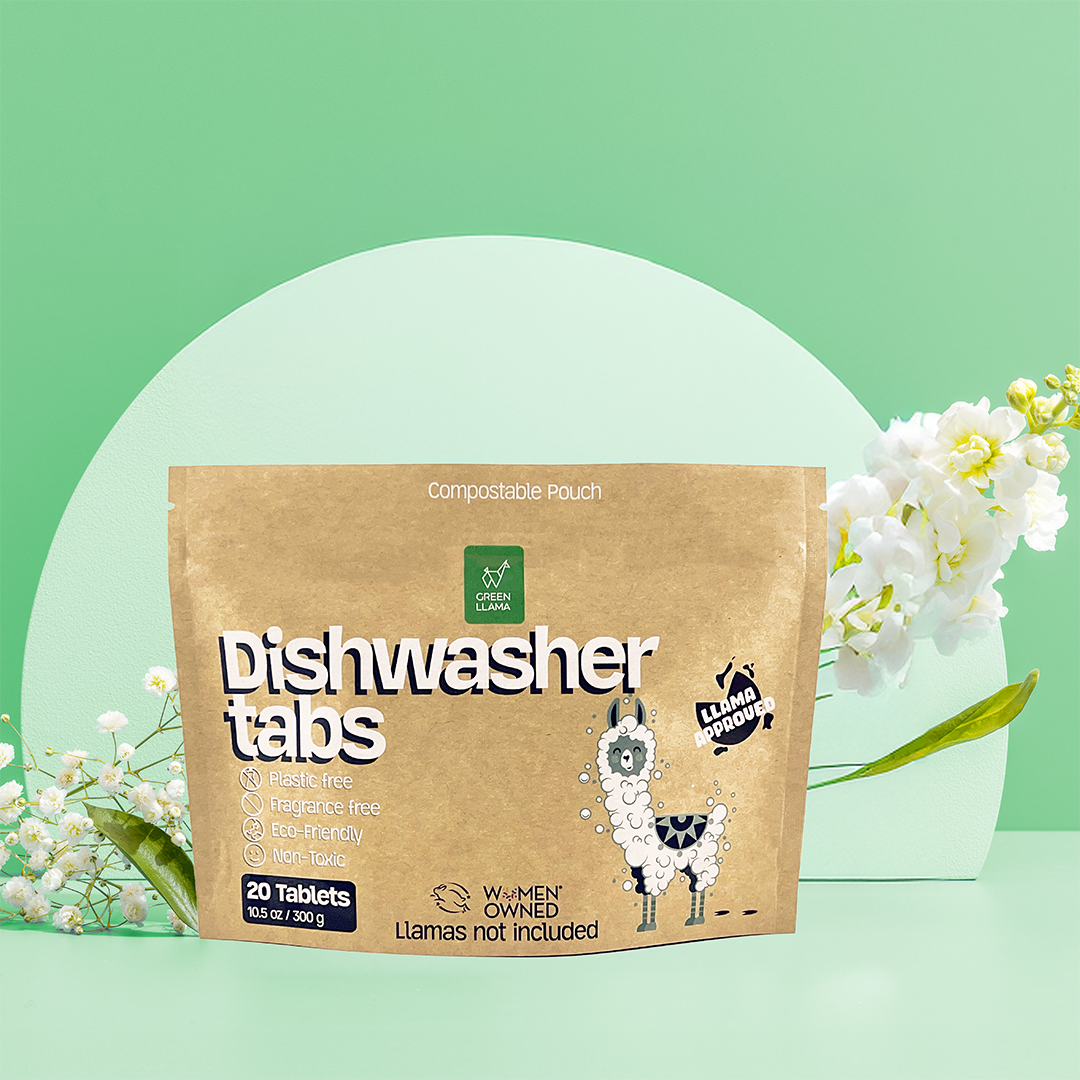


EWG Verified™ & PVA-Free Dishwasher Tabs
Certified by


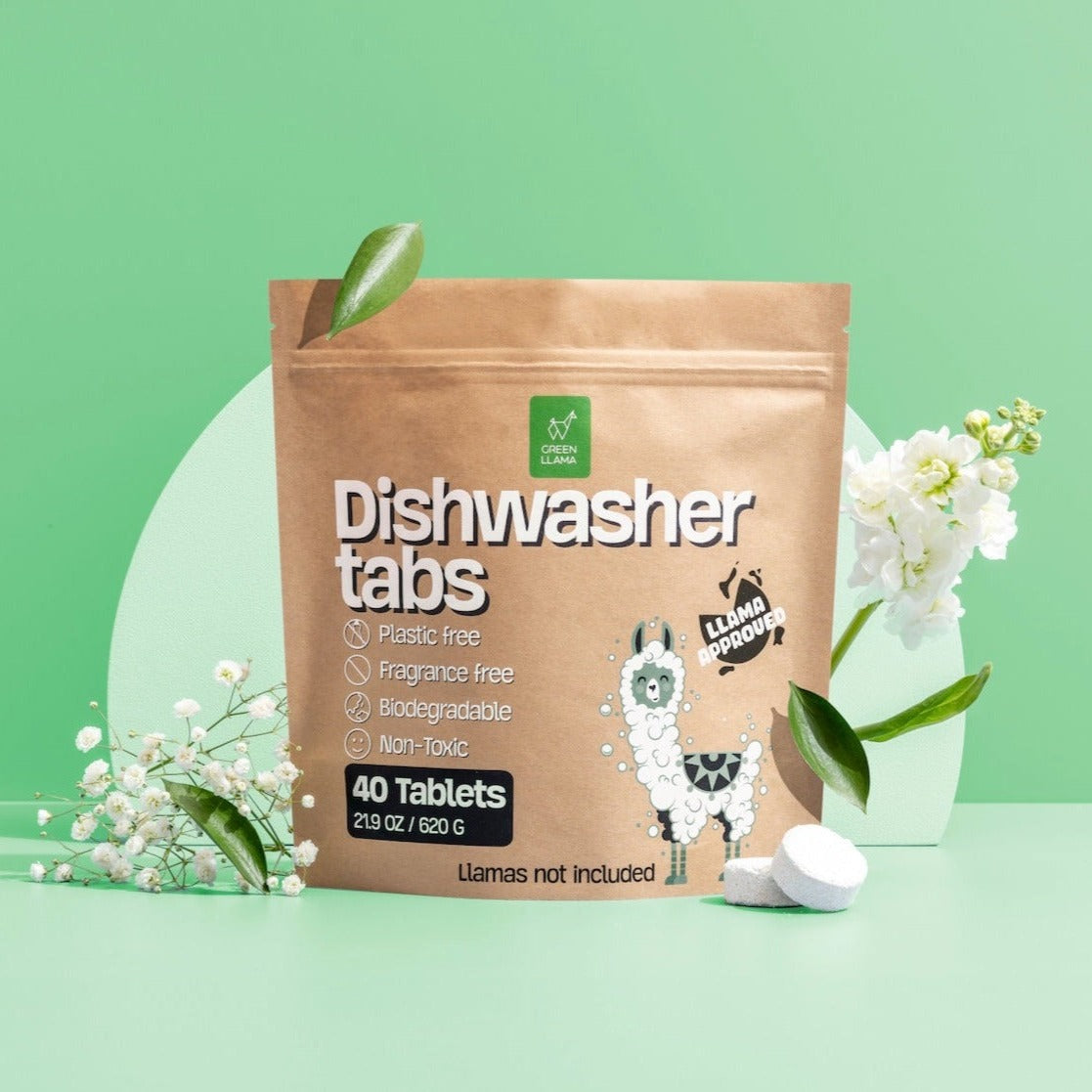
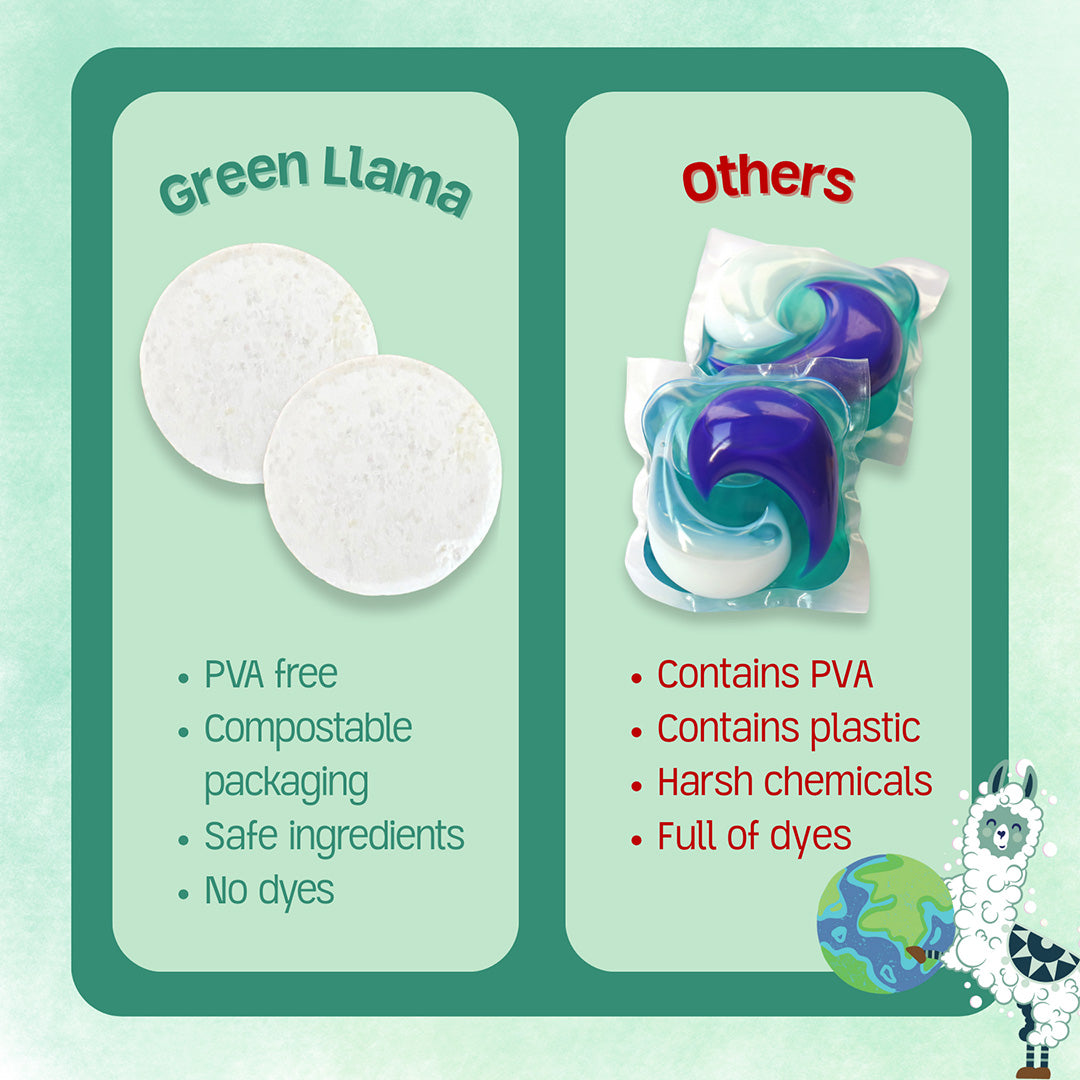
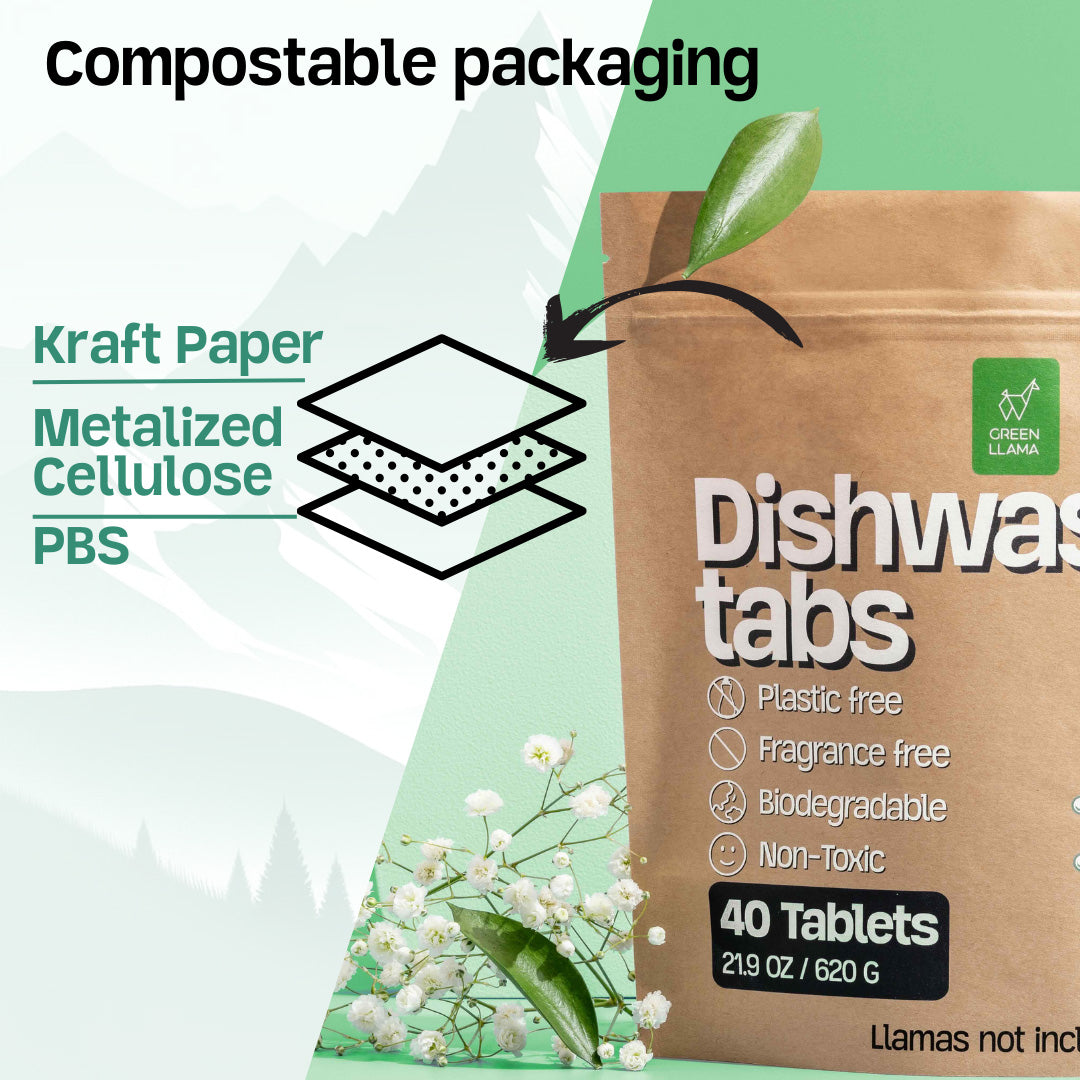
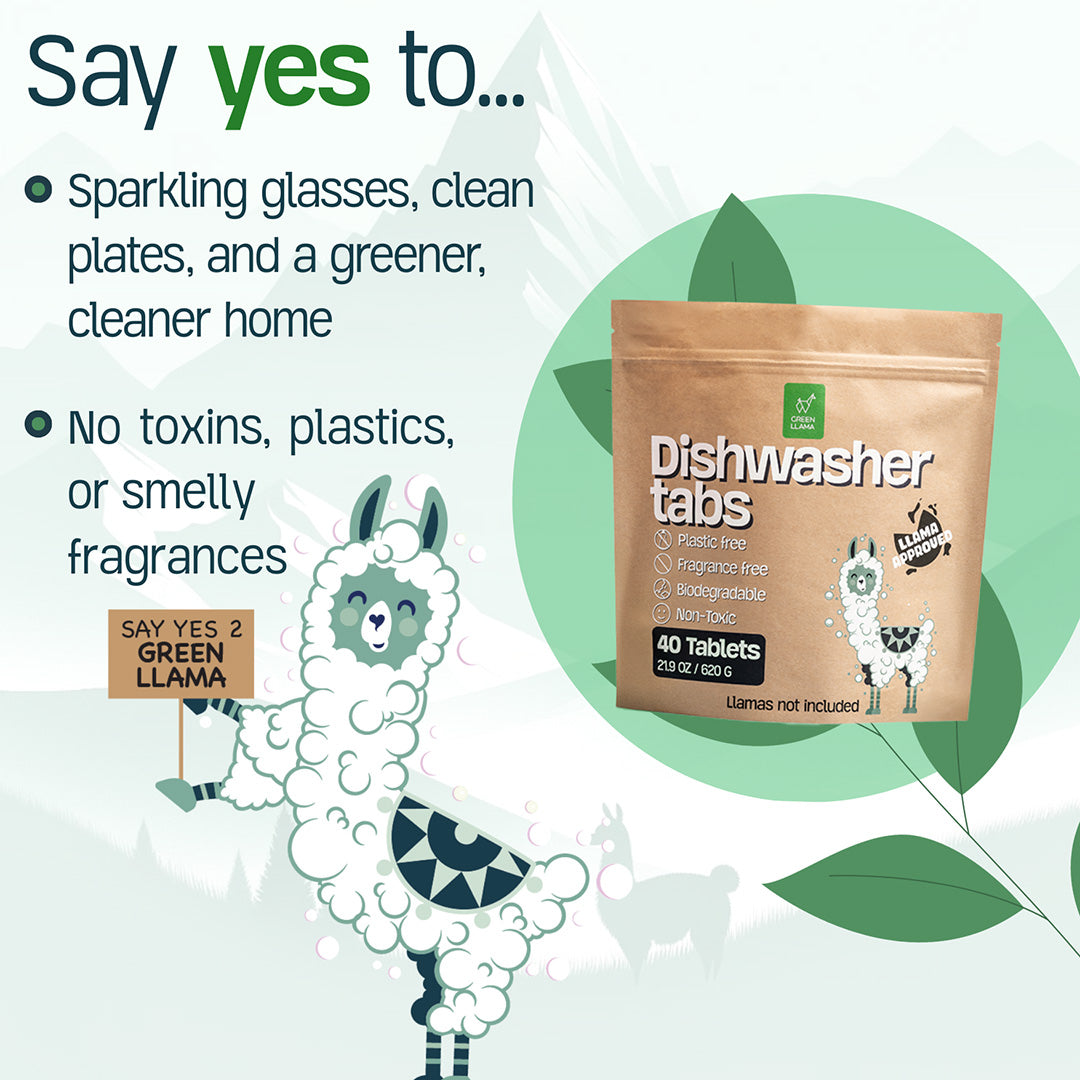
Experience the purest clean for your kitchen. Our EWG Verified™ dishwasher tabs are scientifically formulated to cut through dried-on food and grease without harsh chemicals or plastic films. They are 100% plastic-free and fragrance-free, and are packaged in a compostable pouch.
Citric Acid, Protease, Amylase, Polyitaconic Acid, Sodium Carbonate, Sodium Citrate, Sodium Lauryl Sulfoacetate, Sodium Metasilicate, Sodium Percarbonate, TAED
See what each one does ↓ →
EWG Verified™ & PVA-Free Dishwasher Tabs
“These dishwasher tabs are exactly what I have been looking for - no plastics, washes the dishes well, and exactly right for the environment. Thank you!”- Louise C.


The Green Llama promise
90-day money-back guarantee
Don't love it? Get your money back within 90 days.
EWG Verified
Meets EWG's strictest standard for health and transparency.
Fragrance-free
No added scent, nothing left behind on skin or fabric.
No water shipped
Concentrated tablets and powders. You add the water at home.
Ingredient transparency
What's inside
Every ingredient, what it does and where it comes from. Nothing hidden behind the word "fragrance".
- 10 ingredients, all listed
- All 10 on the EPA Safer Choice list
- EWG Verified™ product
- Fragrance-free
Citric Acid2-Hydroxypropane-1,2,3-tricarboxylic acid Chelating agent and descaler. Dissolves limescale and mineral film and binds hard-water minerals. Source: Natural EPA Safer Choice: Listed
The acid that makes lemons sour. Today almost all citric acid is made by fermenting plant sugars, not pressed from fruit.
Why we use it: Clears cloudy residue and water spots. Helps the rest of the formula work in hard water.
The science: Citric acid dissolves calcium carbonate scale, then binds the freed calcium and magnesium ions so they don't redeposit as new scale.
Comes from: fermentation of plant sugarsCAS 77-92-9
EPA Safer Choice entry →EWG's page on Citric Acid →More about Citric Acid →
ProteaseProtease, amylase enzyme blend Different enzymes target different stains - breaking down proteins, starches, and fats so they rinse away easily. Source: Natural EPA Safer Choice: Listed
Nature's stain fighters - powerful proteins that break down messes at the molecular level.
Why we use it: Works in cold water (saves energy), tackles impossible stains, replaces harsh chemicals, completely natural process.
The science: Proven effective even in cold water. Completely biodegradable - they're just proteins after all.
Comes from: fermentation processCAS Various (proprietary blend)
EPA Safer Choice entry →EWG's page on Protease →More about Protease →
AmylaseProtease, amylase enzyme blend Different enzymes target different stains - breaking down proteins, starches, and fats so they rinse away easily. Source: Natural EPA Safer Choice: Listed
Nature's stain fighters - powerful proteins that break down messes at the molecular level.
Why we use it: Works in cold water (saves energy), tackles impossible stains, replaces harsh chemicals, completely natural process.
The science: Proven effective even in cold water. Completely biodegradable - they're just proteins after all.
Comes from: fermentation processCAS Various (proprietary blend)
EPA Safer Choice entry →EWG's page on Amylase →More about Amylase →
Polyitaconic AcidPoly(methylenesuccinic acid) Acts like a bouncer for dirt - once it's lifted from surfaces, this ingredient keeps it suspended in water so it rinses away. Source: Bio-based EPA Safer Choice: Listed
A smart polymer that keeps dirt from settling back on clean surfaces.
Why we use it: Prevents that frustrating re-soiling, completely biodegradable, makes one wash actually work.
The science: Proven biodegradable through standard testing. Breaks down completely in the environment.
Comes from: fermentation processCAS 26099-09-2
EPA Safer Choice entry →EWG's page on Polyitaconic Acid →More about Polyitaconic Acid →
Sodium CarbonateCarbonic acid disodium salt (Washing Soda) Alkaline builder. Softens hard water and raises the pH so the other ingredients clean better. Source: Mineral EPA Safer Choice: Listed
Also called washing soda or soda ash. A mineral that has been a laundry and dish staple for well over a century.
Why we use it: Keeps hard-water minerals from tying up the cleaning power. Helps loosen greasy, baked-on soil.
The science: Hard water carries calcium and magnesium, which react with surfactants and weaken them. Sodium carbonate binds those minerals first, so the surfactants stay free to clean.
Comes from: mined from natural trona ore or made from salt and limestoneCAS 497-19-8
EPA Safer Choice entry →EWG's page on Sodium Carbonate →More about Sodium Carbonate →
Sodium Citrate1,2,3-Propanetricarboxylic acid, 2-hydroxy-, sodium salt Chelating agent. Binds hard-water minerals so the cleaning ingredients can do their job. Source: Bio-based EPA Safer Choice: Listed
The sodium salt of citric acid, made by neutralizing citric acid with a sodium base.
Why we use it: Better cleaning in hard water, with fewer spots and less film.
The science: Citrate is a common phosphate-free builder. It holds calcium and magnesium in solution so they can't tie up surfactants or settle out as scale.
Comes from: made from fermentation-derived citric acidCAS 994-36-5
Sodium Lauryl SulfoacetateAcetic acid, 2-sulfo-, dodecyl ester, sodium salt (1:1) Surfactant. Makes a dense, stable foam that helps lift dirt away. Source: Plant-based EPA Safer Choice: Listed
A surfactant made from lauryl alcohol, typically sourced from coconut or palm kernel oil. It is a sulfoacetate, not a sulfate, and is often used in place of SLS.
Why we use it: Rich, stable foam and solid everyday cleaning.
The science: Listed on the EPA Safer Choice Safer Chemical Ingredients List.
Comes from: lauryl alcohol from coconut or palm kernel oilCAS 1847-58-1
EPA Safer Choice entry →EWG's page on Sodium Lauryl Sulfoacetate →More about Sodium Lauryl Sulfoacetate →
Sodium MetasilicateSilicic acid (H2SiO3), disodium salt Alkaline builder. Breaks down grease and helps protect glass and metal from corrosion in the wash. Source: Mineral EPA Safer Choice: Listed
A mineral-based compound made from sand and soda ash. It keeps the wash water strongly alkaline so greasy soil breaks down.
Why we use it: Shifts baked-on grease and helps protect glassware and metal parts during the wash.
The science: In dishwasher detergents, silicates help protect glass, china glaze and aluminum by forming a thin protective film on their surfaces.
Comes from: derived from sand and soda ashCAS 6834-92-0
EPA Safer Choice entry →EWG's page on Sodium Metasilicate →More about Sodium Metasilicate →
Sodium PercarbonateCarbonic acid disodium salt, compound with hydrogen peroxide Oxygen bleach. Releases hydrogen peroxide in water to lift stains and brighten, without chlorine. Source: Mineral EPA Safer Choice: Listed
A solid form of hydrogen peroxide bound to washing soda. When it dissolves, the peroxide goes to work on stains and the washing soda boosts cleaning.
Why we use it: Whitens and brightens with no chlorine, so no bleach smell. Gentler on colors than chlorine bleach; skip it on wool and silk.
The science: Breaks down into water, oxygen and washing soda (sodium carbonate).
Comes from: made from sodium carbonate and hydrogen peroxideCAS 15630-89-4
EPA Safer Choice entry →EWG's page on Sodium Percarbonate →More about Sodium Percarbonate →
TAEDN,N,N',N'-Tetraacetylethylenediamine Bleach activator. Makes oxygen bleach work at lower temperatures. Source: Synthetic EPA Safer Choice: Listed
TAED (tetraacetylethylenediamine) reacts with the peroxide from sodium percarbonate to form a more active bleaching agent that works in warm, not hot, water.
Why we use it: Lets oxygen bleach do its job on warm cycles instead of hot ones, which uses less energy.
The science: The most widely used bleach activator in European laundry powders, and readily biodegradable.
Comes from: made from ethylenediamine and acetic acidCAS 10543-57-4
EPA Safer Choice entry →EWG's page on TAED →More about TAED →
Essential oils show as Not listed because they are not on the EPA Safer Choice ingredient list. We name every oil individually, so the scent is never a mystery.

No film, no tub, no plastic
FAQ's - Questions, answered
Everything you need to know about EWG Verified™ & PVA-Free Dishwasher Tabs
Still have questions or spotted an error?
Contact Our TeamDishwasher tablets that customers said deliver "sparkling clean" dishes without harsh chemicals or plastic waste. Praised for effective cleaning power in hard water, fragrance-free formula, and eco-friendly packaging. Some noted packaging issues with bags arriving open. A few mentioned tabs can be crumbly or leave residue if dishwasher is overloaded.
This kit is amazing!! I love that everything is dye-free and fragrance-free, and best of all, PLASTIC FREE! The only thing that is plastic in the whole kit are the bottle nozzles, which is perfectly understandable. The glass bottles are so cute and work perfectly with the drop in cleaning tabs. I could NOT be happier with this kit. Thank you, Green Llama.
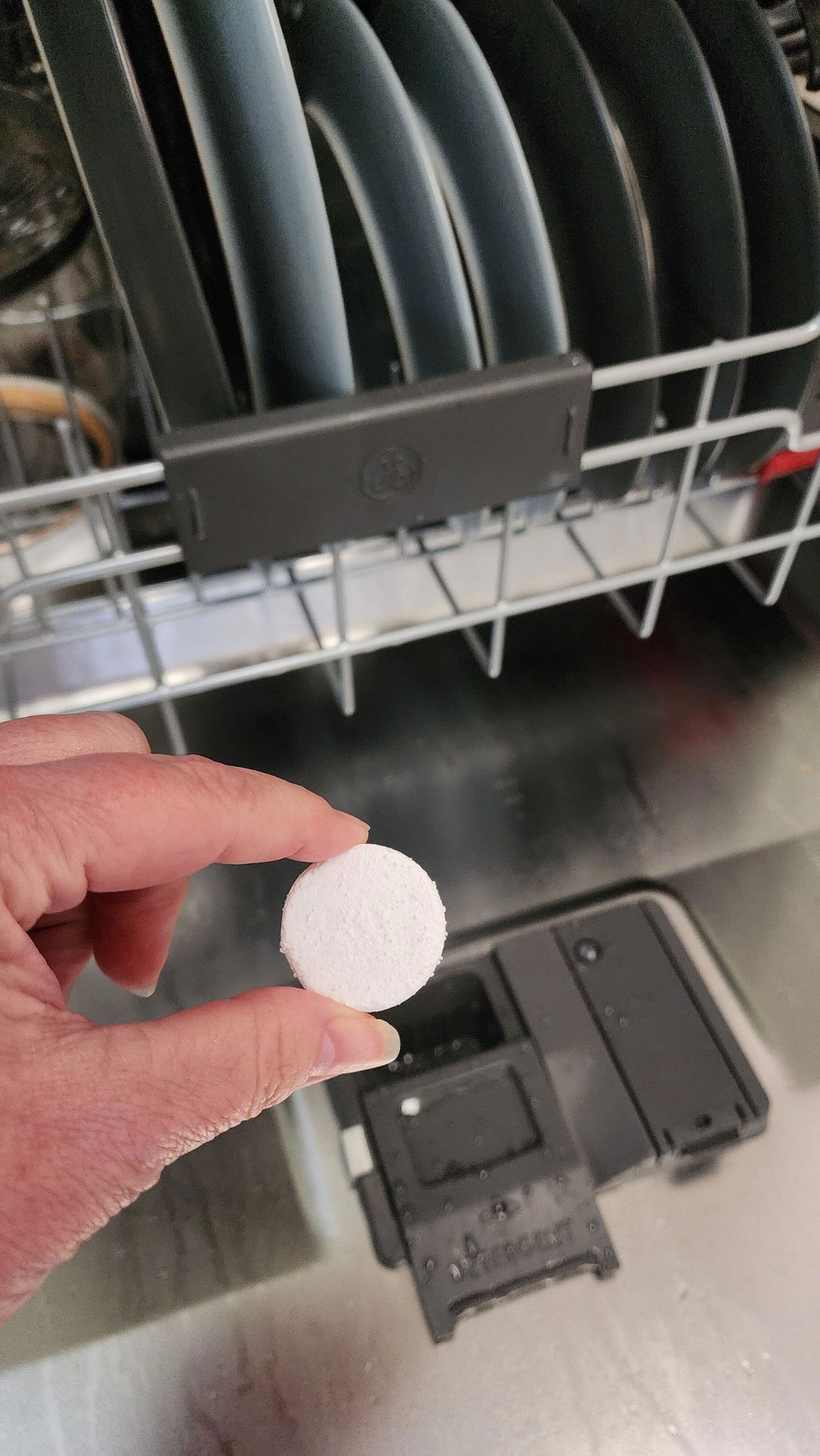
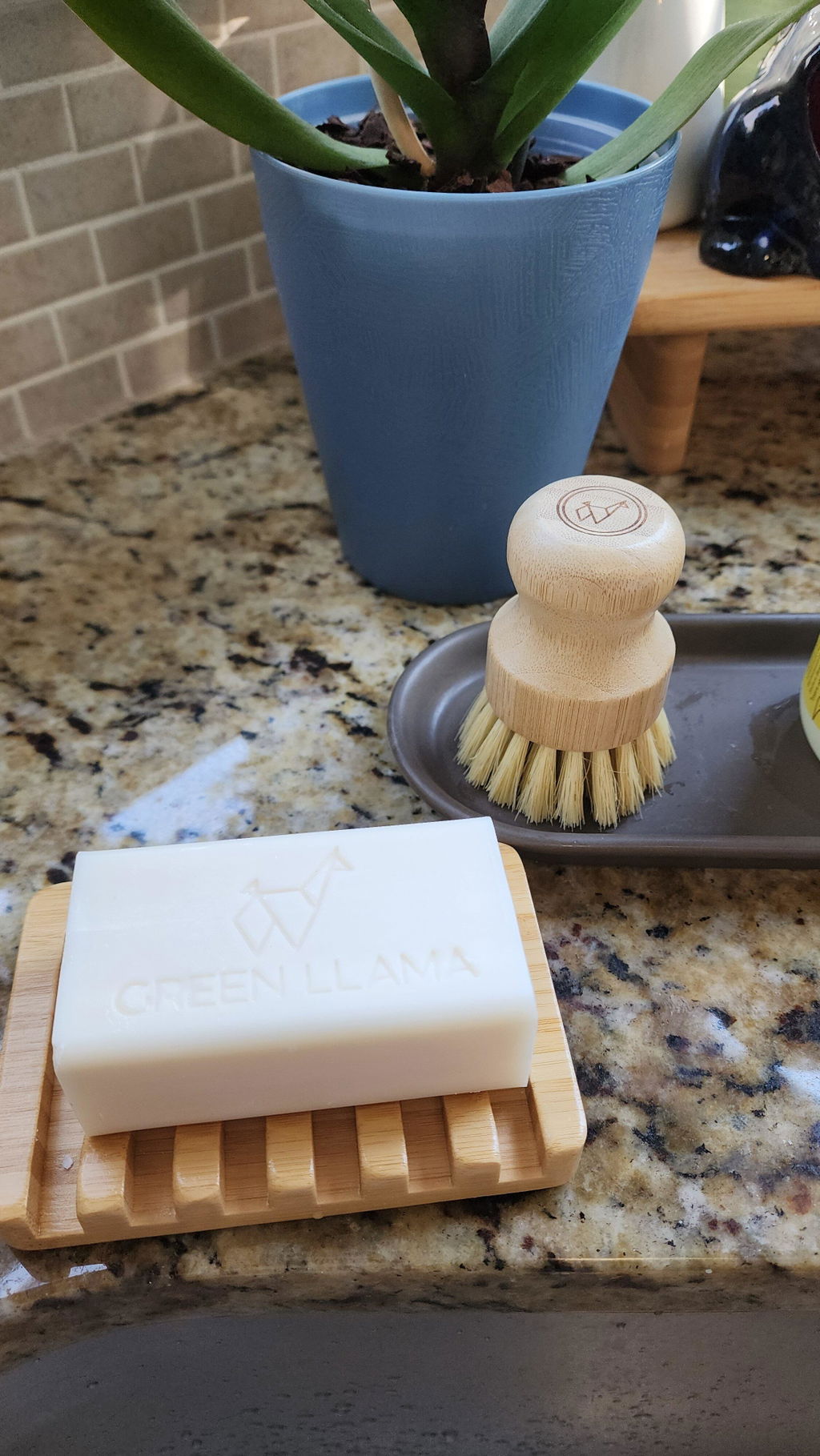
We have very soft water in our new home, so our dishes in the dishwasher, were smelling very perfumed, needing a second rinse. I’ve also been reading more about the pod plastics that can stay in our septic system. These tablets work wonderfully, as well as the soap bar and brush. My husband even likes to clean up with the brush, saying it’s similar to his shaving one. This is our new dish washing duo!!
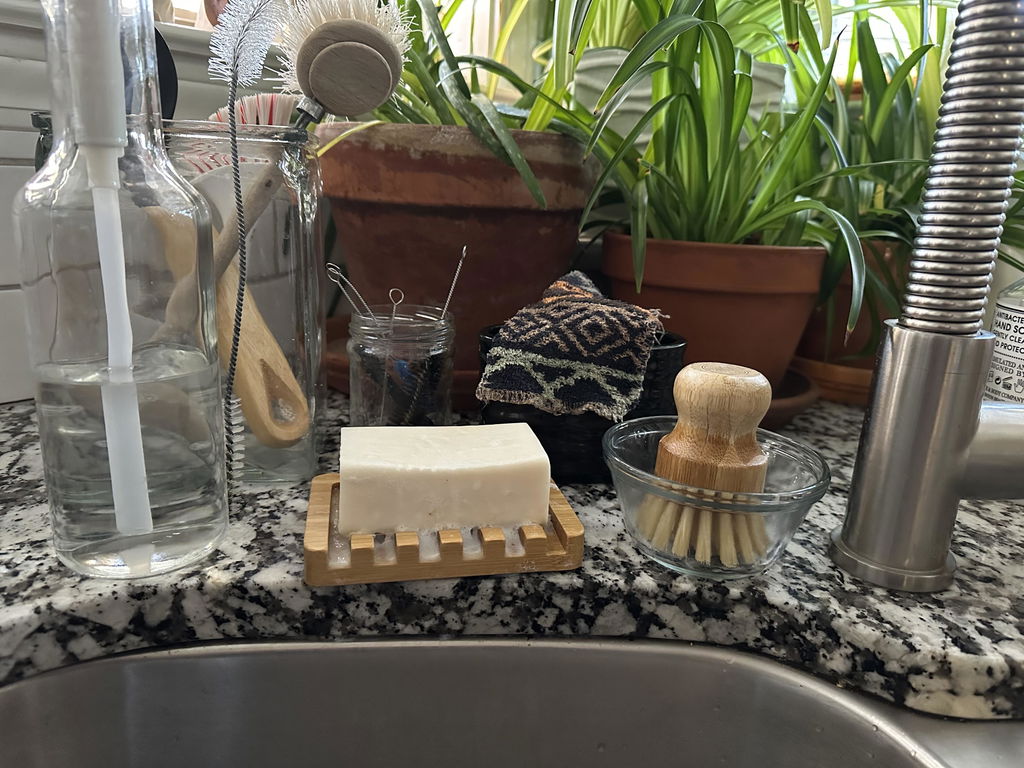
Love these tablets!! My dishes are so sparkly, shiny clean! Green llama dish tablets leave my dishes so clean even in hard water. There is no soap residue, hard water spots, or weird dish smell.
Cleaned not only the dishes but the dishwasher. And no fragrance!
First dishwasher load where I didn't feel like there were chemicals still on my dishes. I put it in at the start; next time I may try actually putting the tab in the locking door ... we'll see...
Easy to use and dishes are clean. Really love not having the plastic residue on our dishes and drains.
These work just as good as our cascade! Just wish they came in an airtight solid container to keep them from getting crumbly. A little pricey but great
This is the second time I've bought these. They work well and I plan to keep using them. Love that they are plastic free and the tablets makes them easy to dispense.
So much better than the stuff wrapped in plastic. My dishes are sparkling clean every time.
Works much better than dishwasher detergent sheets. Would buy again
This works nicely and it’s not wrapped in plastic!
This is my favorite Green Llama’s product. I refuse to use anything else This product doesn’t need microplastic to clean my dishes perfectly
These work really well! Just as well, if not better than conventional dishwashing pods, but without the toxic chemicals
I love how these products work well, are good for the planet, and are ascetically pleasing too. The only thing that didn't work well for us was the bamboo soap dish. It just started having a funky moldy smell after about a week. I replaced it with a porcelain soap dish and all is well now. The soap lasts SO LONG!
Love the lack of plastic and the convenience of tablets!
Crystal Clean Dishes! Love supporting Green Llama because of ingredients, clean water, packaging & health!
I started with the powder, and was happy to see the switch to tabs...When you closed and re-sealed the powder bag there was often an annoying little puff of detergent dust.
Since I only run the dishwasher ever four days or so, I used to add about a half-measure of the powder directly into the bottom of the dishwasher for that initial wetting. To do that with the tabs, I take 1/3 of the tabs and score the top of the tb with a serrated knife. That makes it easier to break the tab in half -- then toss that half into the dishwasher and a full tab in the detergent dispenser.
I found a couple stainless steel canisters with clear plastic attached lids (with gasket and a lever that secures the lid). The smaller is for my 1/2 tabs and the larger is for the full size tabs. I use a third canister in the laundry room for the powdered laundry and wooden spoon.
I have two suggestions for Green Llama:
1. Offer some stainless steel containers in at least two sizes. Enclosing a Green Llama sticker for each would be good (with a white rectangle so we can label the contents).
2. Consider modifying whatever you use to compress those detergent tabs. If there was a pre-scored line across the top of the tab it would be much easier to break the tabs in half. If you ever make laundry detergent tabs, a similar improvement would make sense.
Great product and feel happy about less-plastic and more environment friendly step
These dishwasher tabs get my dishes sparkling clean without harmful chemicals! Love it!
Cleans beautifully, i wish the powder formula was available at the website as well
I really like this great product. Leaves my dishes very clean and no micro plastics or plastic packaging.
Clean dishes with minimal, recyclable packaging. Everything to love!
So far my dishes seem to no longer have a film on them. So far, I am happy!
These tabs work as well as anything I have used and are without plastic packaging
We finally got a dishwasher and couldn’t wait to try the Dishwasher Tabs… they did not disappoint and made everything truly sparkling clean! I love that they don’t waste on extra packaging materials, and the tabs don’t have any issues coming out of the dispenser like some others I’ve tried. Nailed it ale these Green Llama! 💚
Same on the tabs...love em. No more perfumed dishes. Cleans like a champ. Will be using this product monthly.The changes have to start with us, voting with our dollars. I vote for a cleaner earth.
The soap has an unusual sent that I did not like. The scent stuck to my dishes and so I will not be using the soap bar anymore. I’m glad I tried. I haven’t used the brush again because the scent of the bar soap is still on it. I will probably use it again in the future after cleaning it. The dishwasher tablets work good.
Sparkling dishes are easy with Green Llama!
Does a great job cleaning our dishes and no plastic!
this was a gift


