

No Tricks.
Just Clean.
Six common ingredients worth a second look.
Big-name sprays, laundry detergents, and dish detergents lean on a handful of ingredients that research has linked to health or environmental concerns. Here is what they are, where they show up, and what we use instead.
Shop the SwapsSix Ingredients.
Worth a Second Look.
Each one does a real job. Each one also comes with a trade-off that rarely makes the front label. Here is what we do instead.
- Why brands use it
- It kills germs in disinfecting sprays and wipes, and softens fabric in dryer sheets.
- What the research says
- Linked to breathing irritation and work-related asthma. Can irritate skin and cause allergic rashes over time. Recognized as harmful to aquatic life.
- On the label
- Alkyl dimethyl benzyl ammonium chloride, benzalkonium chloride, didecyl dimethyl ammonium chloride.
- Why brands use it
- It whitens, removes stains, and disinfects.
- What the research says
- A known lung irritant that can trigger asthma. Mixed with ammonia or acids, it creates dangerous chlorine gas.
- On the label
- Sodium hypochlorite.
- Why brands use it
- It makes a product smell clean. One word can stand for dozens to hundreds of ingredients.
- What the research says
- In one study of fragranced products, fewer than 3% of the airborne ingredients they gave off were disclosed. In a national survey, about 1 in 4 adults without asthma, and more than half with it, reported health effects from fragranced products.
- On the label
- Fragrance, parfum.
- Why brands use it
- It keeps water-based liquids from spoiling on the shelf.
- What the research says
- A common cause of allergic skin rashes. The American Contact Dermatitis Society named methylisothiazolinone its Contact Allergen of the Year in 2013.
- On the label
- Methylisothiazolinone, benzisothiazolinone, methylchloroisothiazolinone.
- Why it is there
- Nobody adds it on purpose. It can form as a byproduct when certain cleaning agents are made.
- What the research says
- Classified as a likely human carcinogen. New York now caps it at 1 part per million in household cleaning products.
- On the label
- It will not be listed. Look for the ingredients it rides in with: names ending in "-eth," like laureth and sodium laureth sulfate, or "PEG."
- Why brands use it
- This plastic film wraps a single dose and dissolves in the wash.
- What the research says
- One peer-reviewed study estimated that about 75% of it passes through wastewater treatment intact. The industry disputes that and says the film fully breaks down. The question is still open.
- On the label
- Polyvinyl alcohol, PVA, PVOH.
The Short Version:
We Left Them Out.
None of these six are in our formulas. We clean with a short list of plant and mineral-based ingredients like washing soda, citric acid, coconut-based soap, enzymes, and oxygen bleach, and we name every one. Our Dishwasher Powder, Dishwasher Tabs, and Laundry Powder are EWG Verified, which means the full formula was reviewed against EWG's strictest health standards.
The packaging follows the same rule. Refillable glass bottles, compostable pouches, and no single-use plastic. Good for your home, and easier on the planet.
Three Easy Swaps.
Zero Tricks.
Each one does the job first and keeps the label simple.
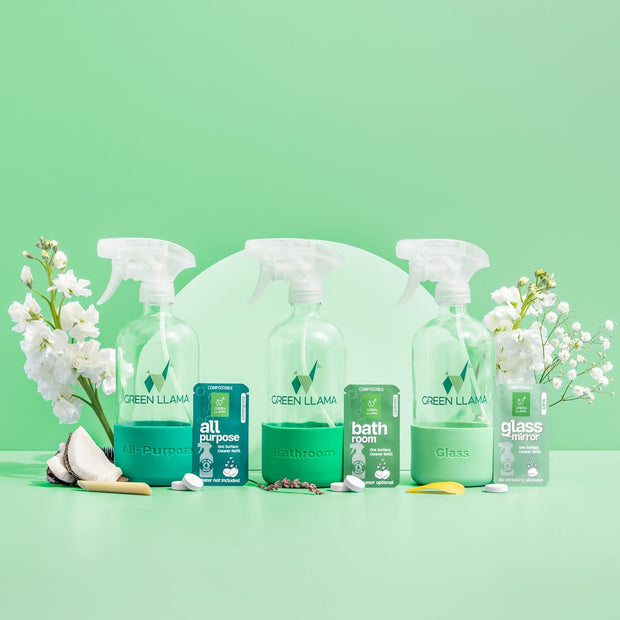
No quats, no undisclosed fragrance, no plastic bottles.
Three refillable glass bottles with tablets for all-purpose, bathroom, and glass. Cuts grease, dissolves soap scum, and leaves glass streak-free.
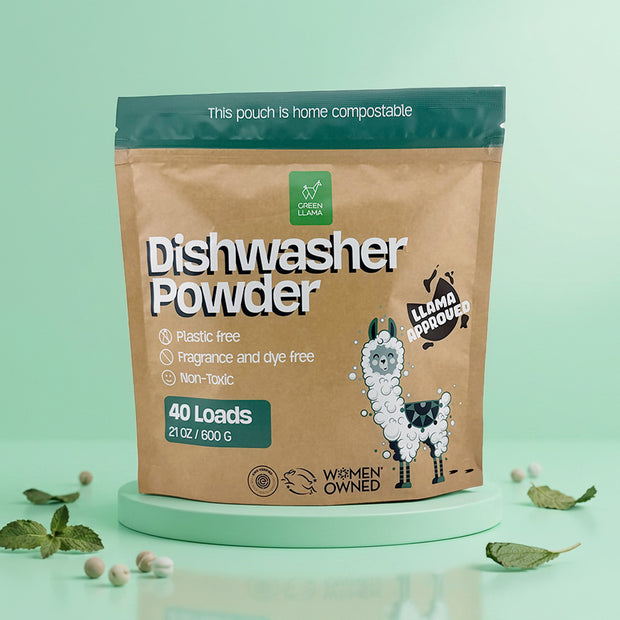
No chlorine bleach, no PVA film, no synthetic fragrance.
A scoopable powder that cuts through baked-on food and grease without leaving film on your glasses. Oxygen bleach and enzymes do the work.
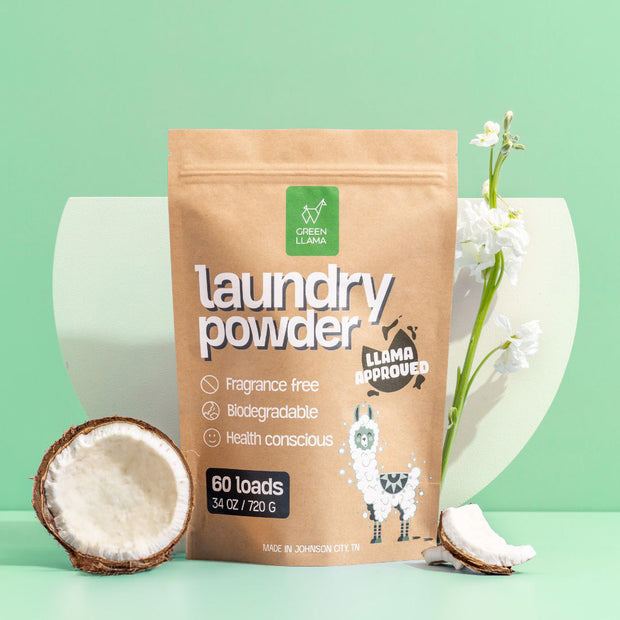
Five ingredients. No fragrance, no PVA, no "-eth" cleaning agents.
Tough on stains and made for sensitive skin. A powder that dissolves fully and leaves no residue on fabric.
No Tricks.
Just Clean.
Browse all Green Llama products and find the right fit for your home.
Browse All ProductsSources: Toxics Use Reduction Institute, quaternary ammonium compounds. Toxics Use Reduction Institute, asthma and cleaning chemicals. Steinemann, Air Quality, Atmosphere and Health, 2018. DermNet, methylisothiazolinone allergy. ISSA, New York 1,4-dioxane rule. Washington Post via Anchorage Daily News, PVA debate. EWG ratings are as listed on greenllamaclean.com. This page is general information, not medical advice.